Traveling with All Five Senses: Immersing Yourself in France
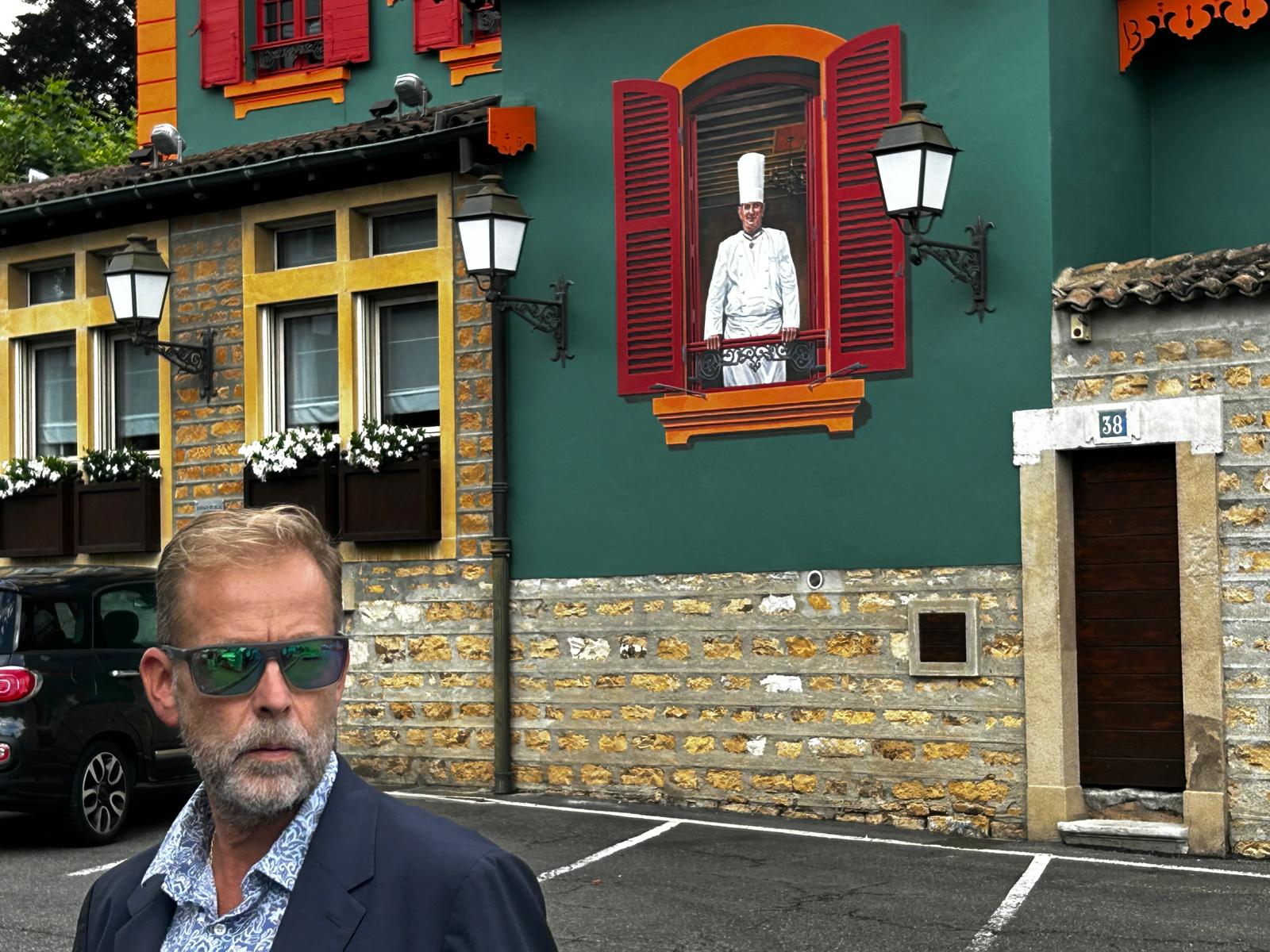
Travel is more than a change of scenery. At its best, it awakens something deep within us — a memory, an emotion, a connection that lingers long after the journey ends. To experience France fully is to let yourself be guided not just by maps or itineraries, but by your five senses. From the aroma of a bakery at dawn to the feel of centuries-old stone beneath your fingertips, France invites you to see, taste, hear, smell, and touch the richness of life.
In this post, let’s wander together through the French experience, one sense at a time.
Sight: A Living Canvas
France has long been a muse for artists, and it’s easy to understand why. Every street, vineyard, and village seems to hold its own painting waiting to be framed. Imagine golden light spilling over tiled rooftops at sunrise, or a cathedral casting its shadow across a cobbled square. Stained glass windows wash interiors with jeweled colors, while rolling hills stretch outward in a patchwork of vineyards, farms, and forests.
But beyond the obvious beauty, what makes France visually captivating is its diversity. Each region reveals a different face — from bustling city boulevards to quiet hamlets where time seems to stand still. Travelers who linger find that the details tell the true story: a carved wooden shutter faded by the sun, handwritten chalkboard menus outside a café, or the symmetry of vineyards aligned like brushstrokes on a green canvas.
When you travel with your eyes open, France becomes not just a destination, but a gallery.
Smell: The Poetry of Aroma
Scents carry memory more powerfully than any other sense, and France knows how to leave an impression. A morning stroll might begin with the irresistible perfume of freshly baked bread wafting from a boulangerie. Later in the day, fields of lavender or herbs growing wild along a country road perfume the air.
Wine, too, is a story told by aroma — earthy, fruity, floral, or spicy — whispering secrets about the soil, the climate, and the passage of time. In France, the ritual of raising a glass and inhaling deeply is a sensory journey all its own.
And let’s not forget the markets: the briny scent of oysters on ice, the sharpness of aged cheeses, the sweetness of strawberries warmed by the sun. To walk through a French marché is to inhale the very essence of the land itself.
Taste: A Symphony on the Palate
To taste France is to understand its soul. The French table is where history, culture, and terroir meet in harmony. A simple slice of baguette with butter can feel as revelatory as a multi-course feast, because every bite reflects a respect for quality and craft.
French cuisine is more than just famous dishes — it is a philosophy of savoring. Each region brings its own specialties, shaped by local ingredients and centuries-old traditions. Rich sauces and hearty stews in the cooler months, light salads and seafood in the summer, and wine pairing with nearly every meal.
There is no rush at the table. Meals are meant to be shared, savored, and remembered — a true invitation to slow down and taste life itself.
Sound: The Music of Daily Life
Close your eyes and listen. France has its own symphony, not always orchestrated but always present. There is the early morning rhythm of espresso cups clinking against saucers, and the cheerful “bonjour” exchanged on the street. In rural towns, church bells mark the passage of time, while in the cities, the hum of conversation spills from cafés onto the sidewalks.
In the vineyards, the soundscape is quieter — wind threading its way through rows of vines, the crunch of gravel underfoot, the occasional laughter of a winemaker at work. These sounds are the heartbeat of daily life, grounding you in the moment.
Even language itself is music. French carries a cadence that feels both lyrical and precise, a melody that turns even ordinary exchanges into something memorable.
Touch: Connection Through Texture
The sense of touch is often overlooked in travel, yet in France, it is everywhere. There is the roughness of cobblestones under your shoes as you wander narrow alleys, and the cool smoothness of marble balustrades in grand châteaux. There’s the warmth of a café mug cradled in your hands on a crisp morning, or the delicate texture of linen napkins folded neatly at a restaurant table.
Touch is also about human connection. The handshake of a farmer at a market, the brush of air as friends greet each other with kisses on the cheek — these gestures remind us that travel is not only about places, but about people.
The Sixth Sense: Memory
When you bring together sight, smell, taste, sound, and touch, what remains is memory. The French experience lingers, shaping the way you see the world even after you’ve returned home. A sip of wine recalls the vineyard where you first tasted it. A familiar scent of herbs reminds you of a countryside stroll. A photograph brings back the warmth of golden light on ancient stone.
Traveling in France is not simply about moving from one destination to another — it’s about immersing yourself with all your senses, allowing each detail to leave its mark.
Final Thought
To experience France is to be awakened. It is a place that asks you to be present, to savor, and to feel. By traveling with all five senses — and perhaps even a sixth — you discover that France is not just a place on a map. It is a living, breathing experience that stays with you long after you’ve said au revoir.
So when the time comes to embark on your next adventure, remember: pack your bags, yes, but also bring your senses. They will guide you to the heart of France.
Stay tuned – I have more French adventures to share soon!